Research Sourcing
Everyone Judges Copper Peptides By The Colour. It Is The One Thing Colour Cannot Prove.
Blue means copper is present. That is the entire message. It does not tell you how much, what it is bound to, or what else came along with it. Here is what to look at instead.
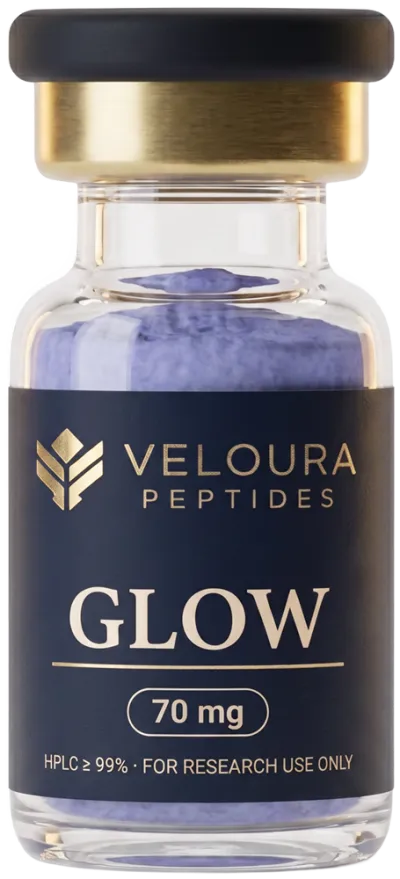
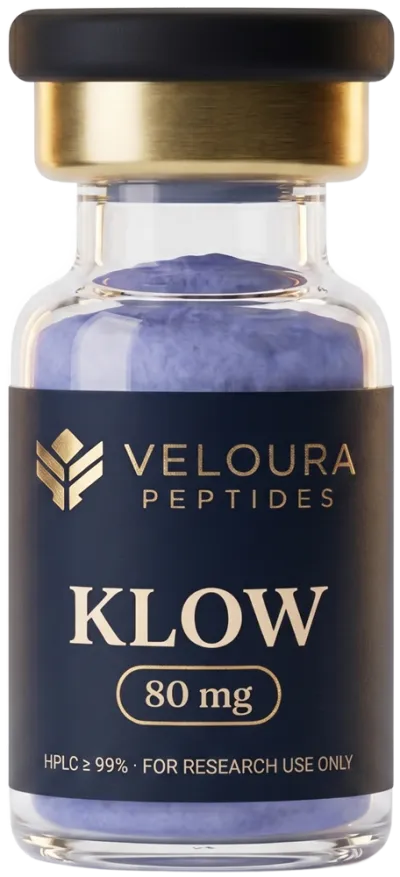
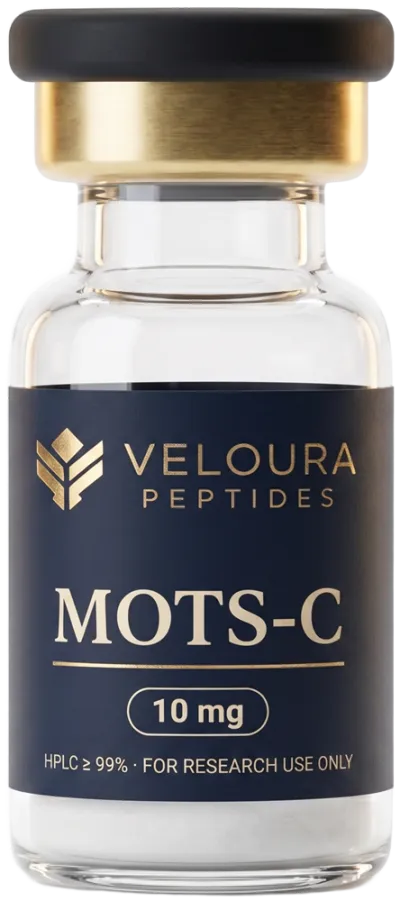
Three listings, three different compositions. Colour is the least informative thing about any of them.
Search this category for five minutes and you will find the same advice repeated everywhere. Check the colour. If it is properly blue, it is good copper peptide. If it looks pale or off, be suspicious.
Here is the problem with that. The colour is doing exactly one job, and it is not the job people think.
Copper in solution is blue. That is chemistry, and it is reliable. So a blue vial tells you copper is present in there somewhere.
It does not tell you how much copper. It does not tell you that the copper is bound to the peptide rather than sitting loose. It does not tell you the peptide is the right molecule. And it certainly does not tell you what else is in the vial, because most of what could be wrong is colourless.
Read the certificate, not the vial.
Identity, purity and net content on every lot, published before you order.
Visit the research store →1Colour confirms presence, never amount
Think of adding a drop of dye to a glass of water. One drop turns it blue. Ten drops turn it blue. Looking at the glass, you cannot tell which happened.
Concentration is a measurement. Your eye is not a measuring instrument, and a photograph on a product page is even further from one, because lighting and white balance change the shade before you ever see it.
You cannot read concentration off a colour. Nobody can.
2Bound copper and loose copper look the same
The whole point of a copper peptide is that the copper is complexed to the peptide. That is the molecule.
Copper that is simply present in the vial, not bound to anything, produces the same blue. So does copper bound to the wrong thing. The visual result is identical, and the difference is only visible to a method that looks at the molecule itself.
Blue proves copper. Identity testing proves the copper peptide.
3Most of what could be wrong has no colour at all
This is the part that undoes the colour test completely.
Residual salts are white. Water is clear. Endotoxins are invisible. Most heavy metal traces are invisible at these levels. A vial can look flawless and still have never been screened for a single one of them.
The things worth checking were never going to show up in the colour.
4On a blend, the colour tells you even less
Look at the listings again. GLOW is a three compound blend. KLOW is four. In both, only one of those compounds is the copper one.
So the vial goes blue because of a single ingredient, and that blue then stands in as a quality signal for the whole blend. The other two or three compounds contribute nothing to the colour and get judged by it anyway.
In a four compound blend, colour is evidence about one of them at most.
Every line here is a separate measurement. Not one of them is visible through glass.
Every listing publishes its certificate.
Open any listing and the certificate for that lot is published on the page.
See how every lot is documented →5When colour is worth something
To be fair to it, there is one case where colour earns its keep, and it is worth knowing.
A colour that changes tells you something. If a vial looked one way on arrival and looks different weeks later, something has shifted, and that is a real signal about storage or stability. Change over time is information. A single glance at a new vial is not.
Colour is useful as a comparison against itself. It was never useful as a grade.
6What to check instead, in order
- Identity confirmation. Proves the molecule is what the label says. Colour cannot do this.
- Purity figure, per compound. On a blend, one number cannot describe three or four compounds.
- Net peptide content. How much is actually in there, not just how pure it is.
- Heavy metals and endotoxin. Both invisible, both worth knowing, both usually unreported.
- The lot number matching your vial. Otherwise the document is about a different batch.
Five lines on a document beat a look through the glass every time. The document takes about a minute to read.
| The question | Colour answers it? | Certificate answers it? |
|---|---|---|
| Is copper present | Yes | Yes |
| How much copper | No | Yes |
| Is it bound to the peptide | No | Yes |
| Are the other blend compounds correct | No | Yes |
| Heavy metals, endotoxin, sterility | No | Yes |
Stop grading vials by eye.
Open any product in the catalog and read the certificate for that exact lot first.
Visit the research store →
Comments
I have absolutely judged vials by how blue they were. The dye in water comparison made me feel a bit silly but it is a fair point.
Everyone does. It is the advice you get handed on day one in this category.
The blend point is the one I had not considered. If only one of four compounds is the blue one, the colour is telling you almost nothing about the rest.
Compared certificates from three places after reading this. Only one listed identity alongside purity on the same page.
Same finding here. Purity is everywhere, identity almost nowhere.
Good point about colour change over time being the useful version. That I will actually pay attention to now.